
Lower Back & Sciatic Pain
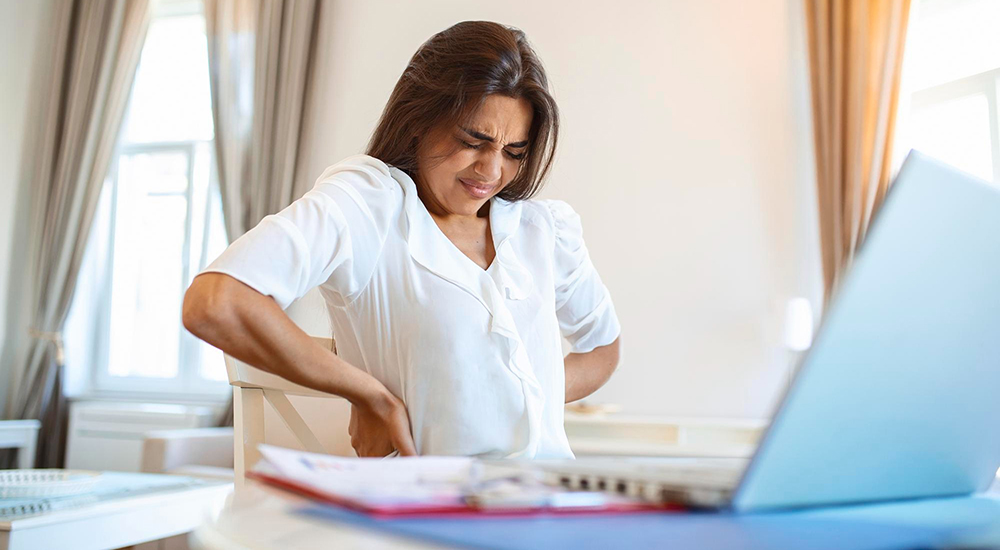
The condition of having lower back pain is a problem that most people live with in secret. It is not a condition that starts with a serious problem. However, the first point at which you will notice the development of the condition is after sleeping, after a long drive, or after the end of a tiring day. In the early stage of development, the pain may not be a regularly occurring problem. However, it eventually starts interfering with the daily activities of your work. Even an office job becomes a problem.
In instances where the ache radiates towards the buttock or leg, the ache may be referred to as sciatica. The ache resulting from sciatica occurs when the nerve running from the spine to the leg becomes irritated. The pain may be stinging or burning; in most instances, only one side of the cramp will be experienced.
Why the Lower Back is vulnerable?
Back ache in the lower part of your back is experienced by many people. However, you do not always suffer from lower back pain. In most cases, lower back cramp comes to you as you are getting up from your bed after a long drive and after a long day. Firstly, you start experiencing cramp occasionally. Later on, you find yourself getting affected in your routine. Even going to your office, which involves sitting, becomes harder for you. Sleeping also becomes a big task for you since you are unable to sleep.
In some cases, if the cramp radiates to the buttock region and leg, it is called sciatica pain Sciatica pain is that sharp or burning ache that runs from your lower back down your leg. This kind of ache may be burning and stinging and is experienced on one side of the body.
Lower Back & Sciatic Pain: Signs & Symptoms
Lower back ache, as well as ache along the sciatic nerve, may appear in a number of ways. Some people suffer from dull and achy pain, while others feel stabbing, shooting feelings down into the leg.
Common Symptoms:
Typical Causes
Usually, the pain could be a result of lifestyle, types of injury, and/or alteration in the spine.
Slipped Disc
Wear-and-Tear Issues
Muscle Strain
Joint Issues
Spinal Canal Stenosis
Rarely the result of mere advanced age, poor posture, overuse, or muscle weakness are more often the deciding factors.
Diagnosis
The doctor will generally begin by asking how the pain started and how it has affected one's life. The doctor will test for movements and muscle strength as well as checking for nerve function. X-rays or an MRI is recommended only when necessary. To effectively treat a patient's ache, a proper diagnosis is required.
Treatment and Care
Lower back and sciatic issues are not commonly surgical. Simply alleviating ache and preventing recurrence is adequate.
Frequently Asked Questions (FAQs)
Is Lower Back Pain Normal as We Grow Older?
It increases with age, but one should not let it happen.
Many people are left wondering, why does sciatica only pain one leg?
One-sided nerve compressions are more likely than the sum of compressions on both sides.
Is complete bed rest helpful for patients with back pain?
A short rest is helpful, though a prolonged rest retards recovery.
After the treatment, will the back-pain return?
Yes, over time especially when habits and posture are not changed.
When to seek a spine specialist?
The patient should be aware that, if pain persists for weeks, or radiates to the leg, or is accompanied by numbness, tingling, or weakness.
FAQs
Lower back pain that shoots down one leg is usually caused by sciatica due to nerve irritation, often from a slipped disc pressing on the sciatic nerve. It may feel sharp or burning and can worsen with coughing or bending. Diagnosis includes checking strength and reflexes, followed by imaging if needed.
Lower back pain after long sitting or driving is caused by muscle strain and disc pressure, which can worsen conditions like spinal degeneration or stenosis. It can lead to stiffness or radiating pain. Taking breaks and maintaining proper posture can help reduce discomfort.
Spinal stenosis causes leg weakness by narrowing the spinal canal and compressing nerves in the lower back. This can lead to heaviness, numbness, or difficulty walking short distances. Symptoms develop gradually, and physiotherapy is usually the first line of treatment.
You should consult a spine specialist if back pain lasts for weeks, spreads to the legs, or causes tingling, weakness, or sleep disturbance. In Hyderabad centers like Spinova hospitals, early evaluation helps prevent worsening. Immediate consultation is important if numbness appears.
Sciatica prevention includes habits like regular movement breaks, proper lifting techniques, and spine physiotherapy to maintain alignment. Avoid prolonged sitting and include simple mobility exercises. These lifestyle changes help reduce recurrence and support long-term spine health.