
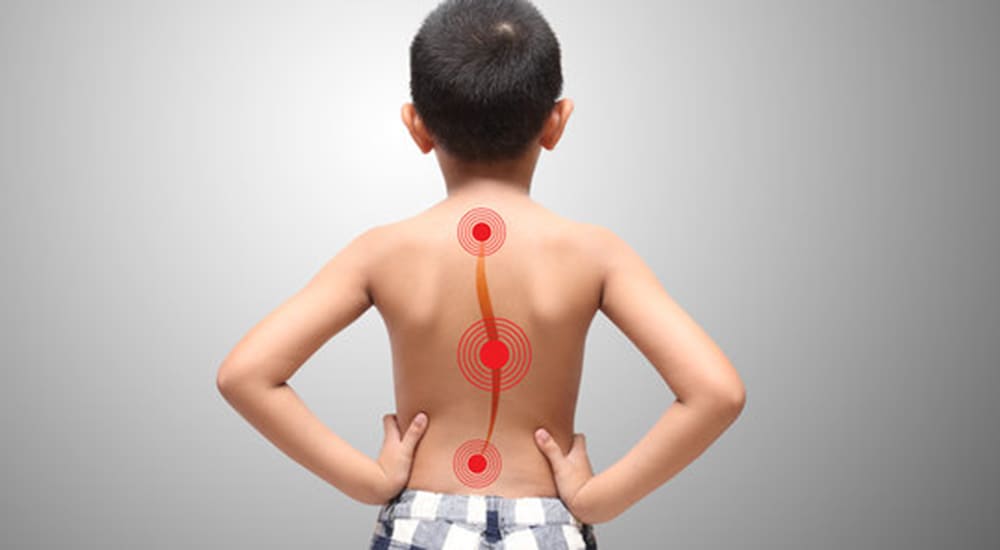
Pediatric, Osteoporosis & Complex Spine Condition
Spine problems neither choose to appear at a specific age. Nor do they start later in life after the body has become used to moving normally. Spine problems also show up even earlier than when the child is old enough to comprehend what an ache or pain really is. Others creep up unnoticed when the individual grows old. Additionally, there are those who struggle with spine problems for quite a number of years. Whether this occurs after surgical corrections or after an injury, or even without clear knowledge of how the whole scenario began.
Problems in spines of children, situations whereby a spine has osteoporosis, and complications of spines are not situations whereby a patient has a brief illness. In most situations, it takes time to judge and properly treat a back problem. Most of the time, when one neglects spine problems, a patient will end up being impacted in a manner he never expected.
In Indian culture, it is quite common that these problems reach a late diagnosis. The parents think that the child will “grow out of it.” The older patients think that pain is the process of aging. They have back problems in their family medical history. They change their lifestyle. They consult a specialist when their spine has already gone through changes.
The spine is no mere body part. It is the key to balance and freedom throughout life. These consequences of the spine being affected at all the wrong times go beyond the issue of pain.
Pediatric Spine Conditions
Spine problems associated with children may be something that comes forth from birth or may occur with time through the years of growth and development. Children could possess curves of the back that may appear with time as they grow into taller individuals. Children may also develop problems concerning their posture through the years in school because of prolonged periods of sitting and carrying heavy bags to and from school.
Children seldom describe their feelings. Children learn to adjust to the situation. Parents may observe an avoidance to play sports, an uneven sitting posture, and a child complaining of tiredness following school. The shoulders seem to be not aligned. The back may give a slight appearance of curvature while forward bending.
Since at this stage, the back is still growing in children, early assessment is important. Most conditions that may affect the spines of children do not require surgery if detected in time. Observation, exercises, correction of posture, or braces might be what would be needed. Letting conditions go might cause the child's spine to develop problems.
Osteoporosis-Related Spine Problems
Osteoporosis slowly makes bones weaker. It commonly occurs in the elderly - particularly women after they have reached menopause – but it also happens in men. However, what makes osteoporosis a problem is the fact that it remains stealthy until a situation arises.
A minor fall or even domestic chores could result in fractures of the spine. The patient in some cases experiences sudden stabs of pain. In some cases, they feel as if they are shortening or leaning. The patients are unaware that this is because of fractures in their spines.
This is because there will be pain and stiffness that will come due to the joints that will always be breaking. It will be a struggle to perform the simplest of actions. Also, the issue will lead to a loss of confidence. This is because, with this, the results that are afore-derived or expected will not be achieved. This is due to the fact that either it will be hindered or postponed.
Complex Spine Conditions
When it comes to complex spine issues, there's no single fix that works for everyone. Usually, a patient suffers from not one but a number of conditions that manifest at the same time. For example, degenerative changes to a number of disks within the spine, prior spinal surgery, birth abnormalities to the back, pinched nerves, and many other conditions.
People tend to experience a group of symptoms. The pain may change from one body part to another. Walking could become hard. There may be numbness or weakness, and these may resolve. Even simple housework may become a problem.
Such patients call for careful planning. You cannot hurry up the treatment process. You cannot copy another treatment process that helped a patient closely resembling you in the scan results either. There should be a part of the treatment process focused on how you live and move.
How These Conditions Affect Everyday Life
Spinal disorders often affect routine activities. The patients may have difficulty in performing the following:
Children may lack confidence. Elderly patients may become frightened of falling. Patients with chronic spine conditions often plan their day around how bad their pain is. There may be significant emotional stress, even if not overtly discussed.
Evaluation and Diagnosis
The assessment begins with answering questions about daily activities, habit of posture, and times of symptoms, as the examination of the body aids in the evaluation of muscle functions as well as functions of the nerve.
X-rays or MRI scans are only advised when necessary. For seniors, the strength of bones is assessed to rule out osteoporosis. Pain and its treatment are not emphasized; instead, emphasis is on identifying the cause for its occurrence.
Care & Treatment
Based on age, diagnosis, severity of osteoporosis, treatment may follow. In children, the conditions may consist of observation, exercises, then bracing. In relation to complications arising from osteoporosis conditions, treatment involves considerations concerning strength and pain issues. In complicated cases involving spinal injuries, treatment regimens may be required.
In most of these patients, the condition resolves without requiring surgical intervention. Physiotherapy practices, correction of posture, lifestyle modification, and medications are very effective treatment options for such patients.
The result is greater comfort and confidence. At one time, the stage was called the early.
Frequently Asked Questions (FAQs)
Do spine conditions in children have the potential for spontaneous correction?
In some situations, mild problems can be treated, but often times they should be monitored by a medical professional.
Can Osteoporotic Back Pain Be Dangerous?
Yes. It could suggest there are some issues like spinal fractures that would need an examination.
Is surgery necessary for all cases of complicated spinal disorders?
No. These are not requiring surgery for treatment.
What are the signs that parents should look for in children?
Alterations in posture, asymmetry of shoulders, or complaints of pain.
In what circumstances is a spine specialist needed?
Whenever there is pain or problems with posture that affect everyday living.
FAQs
Early signs of spine issues in children include uneven shoulders, posture changes, tiredness after school, or avoiding sports due to discomfort. Parents may notice these during bending or sitting. Early evaluation helps prevent progression during growth.
Osteoporosis leads to spine fractures by weakening bones over time, making them prone to breaks even with minor activities. It can cause sudden pain, height loss, or a stooped posture. Bone density tests confirm the condition, and it is common after menopause.
Complex spine cases require personalized treatment because they involve multiple issues like disc wear, past surgeries, or nerve compression. Symptoms can vary daily, so tailored plans based on lifestyle, pain patterns, and scans help improve mobility effectively.
Parents should check a child’s back curve if they notice uneven posture or pain affecting school or play activities. In Hyderabad centers like Spinova hospitals, early diagnosis using X-rays and observation helps guide treatment like bracing or exercises and prevents progression.
Non-surgical management of osteoporosis spine pain includes bone-strengthening medications, posture correction, and physiotherapy to reduce pain and stiffness. Lifestyle changes also lower fall risk. Most patients improve without surgery.