
A Step-by-Step Way to Ease Nerve Pain
Most people don't make an appointment at a spine hospital the day they start hurting. They arrive after weeks or maybe months of discomfort, maybe feeling the ache go down their leg, or a leg feeling heavy, or their fingers going numb, or their sleep being constantly interrupted as the ache refuses to let them rest.
The decompression maneuvers on the spine are not performed hastily. These are normally recommended when more simpler forms of relief have failed to work effectively. The aim of such decompression or intervention is not to have “big surgery.” The aim is to relieve a nerve that has been compressed for far too long and allow it to heal.
What Spine Decompression Really Means
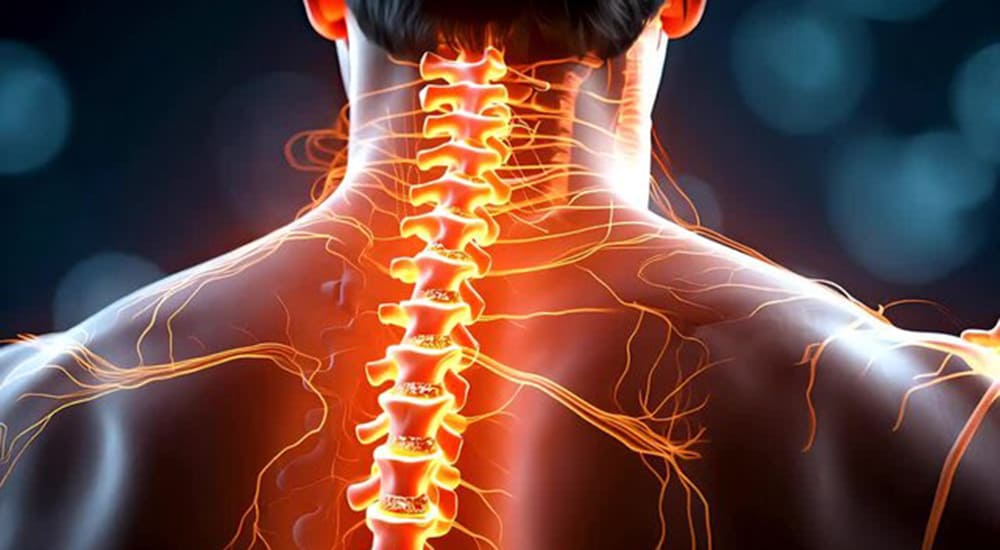
In the spine, there are spaces where nerves run. Eventually, these spaces can become constricted. A disc can bulge slightly, bone can become denser with age, or other tissues can press upon the neuron.
Decompression is creating space for the neurons. Nothing extra is eliminated. Nothing unnecessary is touched. As pressure drops, pain impulses decrease. The nerve begins functioning correctly again.
When These Procedures Are Usually Considered
Decompression is only considered once the neuron symptoms affect a patient's lifestyle. Nerve symptoms that may manifest to the patient include conditions that manifest while walking, increased weakness in hands, shooting pains into legs, or paresthesia that do not improve with rest or medication.
A scan in itself is not a medical reason to deny treatment. Scan information, treatment diagnosis, age factors, lifestyle, and the health status of the spine are considered. Only after the patient submits the options selected and responds to all the questions will the processes take place.
Common Spine Decompression Procedures
Each problem has a different solution. The kind of treatment depends on where the nerve is being compressed and why.
Commonly advised procedures are:
Every one of these deals with the pressure of a particular kind and is not randomly selected.
Safety, Healing and What to Expect After Treatment
In most situations, the process of decompression is precise. This procedure is beneficial in the process of relieving pain since the strength of the spine of the patient is not interfered with. Patients can mobilize while they are healing.
It may be fast in some cases and other times the pain alleviation may take longer. It may also vary depending on how long the nerve has been compressed before the treatment process. Frequent visits also help for improved comfort.
Understanding the Procedures in Simple Words
Discectomy
Laminectomy
Foraminotomy
Nerve Decompression Surgery
Care That Puts Comfort First
Not all cases of nerve pain require surgery, nor would the patient benefit from the same treatment. Decompression is recommended only in cases that actually benefit from the treatment.
With proper timing, planning, and care, many patients are able to go back to work, travel, or go about their daily routine with much ease. The concern continues to be for long-term relief and NOT just for the alleviation of acute pains.
FAQs
Spine decompression is a treatment that creates space around compressed nerves in the spine to relieve pain. It works by addressing disc bulges, bone overgrowth, or tissue pressure without removing excess material. This helps reduce pain signals and allows nerves to function normally, easing symptoms like leg weakness or numbness.
You should consider spine decompression for sciatica when leg pain, heaviness, or weakness continues despite rest and medications and starts affecting walking or sleep. Doctors evaluate scans, symptoms, age, and lifestyle before deciding. It is recommended only when conservative treatments are not enough.
Discectomy helps relieve slipped disc pain by removing the portion of the disc that is pressing on a nerve. This reduces radiating pain and frees the nerve without major disruption. Most patients notice improvement as the pressure on the nerve is relieved.
Foraminotomy is a procedure that widens the nerve exit opening to relieve nerve compression. It is effective for arm or leg pain caused by pinched nerves. In Hyderabad centers like Spinova Hospitals, it is performed with precision to support faster recovery and safe outcomes.
Laminectomy is commonly used to treat spinal stenosis by removing or reshaping bone to open the spinal canal. This reduces pressure on the nerves and improves movement. It is recommended when symptoms do not improve with non-surgical treatments.