
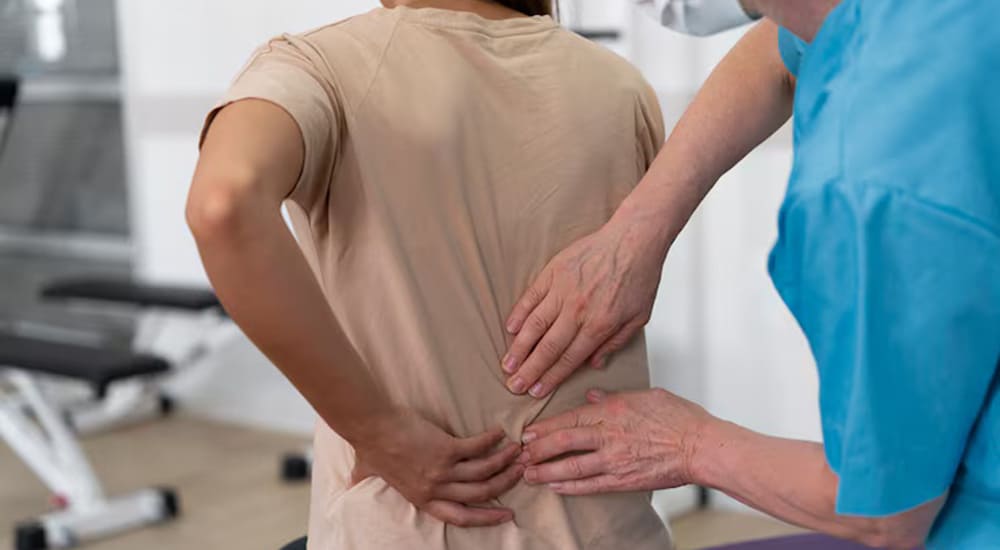
Understanding Recovery After Spine Surgery
Many patients believe that surgery ends the problem. In real life, surgery is just one part of spine treatment. After surgery, the body needs time. Muscles are weak and nerves sensitive. It takes time for the spine to readjust. During this phase, pain, tightness, or discomfort may come and go. This does not always mean that something is wrong.
Recovering is different for everyone. In some cases, a person may notice an improvement right away. In other instances, it can take weeks or months. Factors that contribute to the level of one’s healing include one’s age, health, surgery performed, and level of activity. In most cases, comparing one’s healing process to others can lead to anxiety.
Post-Surgery Rehabilitation
The rehabilitation process usually begins once the surgeon is satisfied that the healing process is underway in a safe manner. Extended periods of bed rest are discouraging in most cases since they tend to cause stiffness and weakness of the muscles. Proper body movement helps in the healing process.
There is no rush toward rehabilitation. Exercises are added very gradually, according to comfort and tolerance. Some require only instruction in the performance of basic daily activities, while others will benefit from supervised physiotherapy. Speed is not important; what is sought is a steady gain without regression.
Chronic Back Pain Management
There are patients who still feel back pain despite receiving treatment or surgery. Such pain may not be sharp. It can be located in the background. It influences sleep, mood, or daily activities. It becomes frustrating after some time.
In chronic lower back pain care, the emphasis lies in finding the reason behind the pain. Muscle fatigue, incorrect posture, nerve irritations, as well as lifestyles influence the pain. In chronic lower back pain care, solutions may not be drastic but several minor ones. Progress towards healing is slow.
Failed Back Surgery Care
When there is pain following spine surgery, it can be confusing or frustrating for the patient. It is not always true that there has been an unsuccessful operation for back pain. Sometimes, pain can occur from activity or irritation from muscles or nerves close to the spine.
The care in such cases involves listening. Carefully, the past assessment, scans, and surgeries are evaluated. The current complaints are evaluated without making assumptions. The treatment plan is developed only after the actual reason causing the discomfort presently is assessed. Most patients find relief without the need for another surgery.
Long-Term Spine Health Programs
When the pain goes away, people return to their habits. This helps to create problems again. Spine care needs to protect gains over a lifetime.
hese treatment processes also help the patient realize the effect of their day-to-day activities on their spine. Small changes in their postures, exercises, and activities help them greatly as regards their spine. This treatment method would be extremely beneficial for those people who sit at their working stations, perform heavy jobs, or experience changes in their spine as they grow older.
Recovery Guidance & Daily Life Support
Movement After Surgery
Pain During Healing
Returning to Work and Routine
Emotional Confidence
Care That Continues Beyond Treatment
Spine care is not completed once the pain has been eased. Its continuity is done through awareness and follow-through. Informed patients are patients who have healthy spines because they recover effortlessly without an issue in the long run.
With appropriate care, most patients can transition into a normal life. More than pain relief, the focus is on stabilization, confidence, and comfort.
FAQs
Post-surgery spine rehabilitation is a gradual process that helps rebuild strength and restore movement after healing begins. It focuses on gentle exercises and teaches safe daily activities like sitting and walking. The goal is to ensure steady recovery without stiffness or strain.
Back pain after spine surgery can persist due to muscle fatigue, poor posture, or mild nerve irritation rather than surgery failure. Proper evaluation helps identify the cause, and small corrections can provide relief. Most cases improve with targeted rehabilitation and care.
Failed back surgery syndrome is managed by reviewing past scans, previous surgeries, and current symptoms to identify the exact cause of pain. This may include muscle or nerve irritation. A new personalized treatment plan is then created, often relieving pain without the need for another surgery.
Returning to work after spine rehabilitation depends on the job type, with desk jobs usually resuming earlier than physically demanding work. In Hyderabad centers like Spinova Hospitals, recovery timelines are based on age, surgery type, and activity level. A gradual return helps avoid complications.
Long-term spine health programs help prevent pain recurrence by improving posture, strengthening muscles, and building awareness of daily movements. These habits support spine health, especially for desk workers and physically active individuals. Consistent practice ensures long-term stability and confidence.