
Nerve, Compression & Degenerative Disorders
Nerve, compression and degenerative disorders of the spine are problems that develop slowly. Most patients do not wake up one day with severe pain. It usually starts as mild discomfort in the neck or back. Later, pain begins to travel to the hands or legs. Some people feel numbness. Some feel burning pain. Others feel weakness while walking or holding things.
In Indian patients, these complaints are very common. It is believed that this is due to age, work, or sitting for a longer time. Ignore, or take pain killers from the medical shop. This gives them relief for a short time, but the complaint in the backbone area continues.
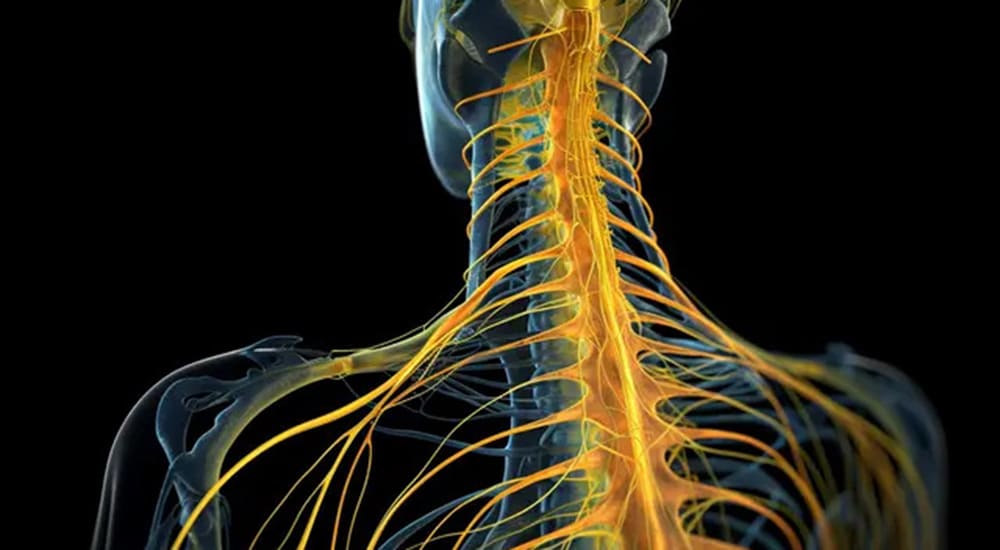
It has nerves that link the brain to the rest of the body. Pressing these nerves causes the symptoms to appear. With age, the joints between the bones in the spine weaken. Joints become rough and tiny bone growths may appear. This causes the space for the nerves to reduce. As a result, the nerves experience pain, numbness, and weakness. This is known as degeneration.
Common Conditions Seen in These Disorders
Slip disc is a common problem. In that, the softened part of the disc between two bones protrudes and applies pressure on a nerve. Then, there is Spinal Stenosis, in which the body’s passageway for the nerves gets contracted. Cervical Spondylosis occurs in the neck, and Lumbar Spondylosis occurs in the lower part of the body’s back. Now, Sciatica begins from the lower portion of the body’s back and ends in the leg.
When there is constant pressure on these nerves, muscles can weaken. Some patients feel that they have difficulty balancing while walking. Another complication that is quite common is degenerative disc disease.
How These Problems Affect Daily Life
In the beginning, pain may come only after work. Slowly, daily routine is affected. Patients commonly complain of:
As the condition progresses, even simple activities like bending, climbing stairs, or driving become uncomfortable.
Why Do These Problems Develop?
Age is the primary cause. Along with the aging process of the body, the spine undergoes certain changes too. Due to bad posture, spending too many hours sitting, a lack of physical activity, being overweight, and performing strenuous physical labor, the spine gets overloaded. Previous injuries, habitual bending, and improper lifting techniques are some more causes.
In most cases, it is never just one single cause. It is habits that have been developed over the years.
Evaluation and Treatment
A preliminary inquiry is made by the doctors, where the patient is asked for details about the complaint. The location, spread, & duration of the pain help them greatly in identifying the problem. It is also made sure that the nerves are affected or not. X-rays help them in examining the bones. MRI scans help them view the compression on the discs & nerves.
In most instances, the patients feel relieved without requiring any type of surgical procedures. Some of the methods used in the treatment for this condition include the employment of drugs, physiotherapy exercises, correction of posture, and certain body exercises, which help in the reduction of symptoms. It is also vital to change lifestyles. Surgery becomes the next step when pain remains and the nerve's collapse shows no hint of improvement.
Frequently Asked Questions (FAQs)
How do I know that my problem is because of nerve pressure?
Typically, the presence of nerve involvement is suggested if the pain radiates to the arms or legs with tingling and/or numbness.
Is degeneration associated with normal aging?
Actually, it is possible to control the symptoms if treated properly.
Does surgery become necessary for all people suffering from slip disc?
No. Most can be managed no surgically.
Is physiotherapy effective in treating pain associated with nerves?
Yes, it relieves pressure on the nerves as well as promotes mobility.
When should you consider consulting a spine specialist?
In either instance, if there is any pain, numbing, or weakness to impair function either during the day or at night.
FAQs
Nerve compression in the spine is usually caused by degenerative changes like disc protrusion or bone spurs that narrow the spaces around nerves. This is common with aging or poor posture and can lead to radiating pain, numbness, or weakness in the arms or legs. Daily strain from sitting or heavy lifting can worsen it.
Degenerative disc disease affects walking by narrowing nerve pathways, which can cause leg heaviness, tingling, or balance problems. These symptoms develop gradually due to disc wear and reduced height. Early physiotherapy and posture correction can help relieve pressure and improve mobility.
In lumbar spondylosis, worn-out joints in the lower back compress nerves, causing pain or numbness that travels down the legs, similar to sciatica. This develops over time due to strain or inactivity. Evaluation helps determine severity and muscle strength.
You should seek medical help if tingling in the hands continues with weakness or affects sleep and daily activities. This may indicate cervical spondylosis. In Hyderabad centers like Spinova hospitals, MRI helps confirm nerve compression, and early treatment prevents progression.
Spinal stenosis is confirmed using X-rays to detect bone changes and MRI to clearly show nerve compression and canal narrowing. Doctors also perform physical exams to assess reflexes and pain patterns. Accurate diagnosis guides proper non-surgical treatment.
Non-surgical treatment for slip disc pain includes medications, physiotherapy, and posture correction to reduce nerve pressure. Most patients improve without surgery as pain reduces and muscle strength improves. Lifestyle changes also help prevent recurrence.
Daily habits like taking regular breaks, maintaining a healthy weight, and using proper lifting techniques help slow spine degeneration. Combined with exercise, these changes reduce strain and support long-term joint health. Consistency is key for lasting results.