
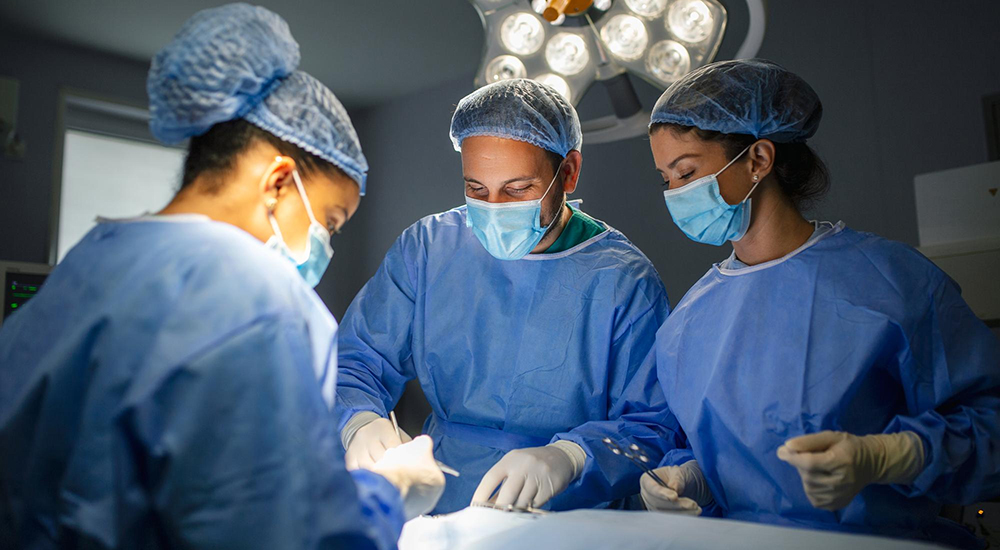
Taking the First Step Without Fear
As regards the average person visiting the page, they might not necessarily be looking for something that would give them alternatives for surgery. They would see the page because they might be essentially looking for a solution to their problems. As regards the average person visiting the page, they might have already resorted to other treatments such as medication, sleep, or physiotherapy, but they would still have some doubts regarding the next course of action that they would have to take. The ‘surgery' component would raise a question or two for the average individual, particularly with regards to surgeries of the back.
“We're not going in for stabilization or fusion—there's no point in that. But every now and then, the spine just manages to do both on its own chapter, for lack of something better to do.”
They both have two reactions for the impact they have on the spine. They experience the impact in two ways. They can either experience: Pain and/or Paralysis or Nerve Damage.
When Stabilization Becomes Necessary
The spine is meant to be dynamic, but within certain boundaries. However, problems arise when some bones tend to move in a manner which is excessive or tend to shift from their normal positions. Such occurrences could take place over the years with the process of aging or because of an injury which was not properly healed.
This stage is usually reached after months or years of discomfort. It usually involves recurrent pain, inability to stand for long periods, instability while walking, or symptoms related to nerves. Surgery is only discussed in conditions that actually disturb normal life.
What Fusion Surgery Actually Does
A lot of people believe that after a fusion surgery, the spine will now be “stiff forever.” This is not quite true. The spine will have the problem area fused, not the whole spine.
When the painful part of the segment stops moving, the irritation of the nerves decreases. Over some time, this allows other muscles and joints to work better. It is not a functional movement but rather a functional, comfortable movement.
Common Spine Stabilization Procedures
Not all problems with the spine are alike, nor is treatment alike. The type of operation, depending upon the case, age of patient, bone quality, and activity level of patient, varies.
Some of the commonly carried out procedures include:
Only after extensive discussion and assessment is an approach chosen.
Recovery and Daily Life After Surgery
Recovery will not be immediate. There will be days that are good, days that are bad, which is only normal. Your pain will not be healed overnight.
The patient is shown how to sit, walk, or go about their normal activities. Physiotherapy is also important. When the unstable pain is cleared, the patient will find performing the normal day-to-day activities easier.
Understanding the Surgical Options
Spinal Fusion Surgery
Instrumentation & Fixation
Spondylolisthesis Surgery
Deformity Correction Surgery
Care That Focuses on Long-Term Stability
It's because your spine surgery is all about achieving less, which is fixing what's going on by stopping what's going south. Since you've already run out of options, if nothing works, maybe the most promising and safest way for you is through surgery. It's because, in fact, it's all about protecting your nerves in their entirety and being able to move around without worries.
But if a proper guideline is given to the patient, then they will recover and be able to live their life actively.
FAQs
Spinal fusion surgery is a procedure that joins unstable vertebrae to stop excessive movement causing pain and nerve irritation. It stabilizes only the affected area, allowing nearby muscles and joints to function better. This helps reduce repeated discomfort without making the entire spine stiff.
Spine stabilization surgery is needed when chronic back pain, walking instability, or nerve symptoms continue even after months of non-surgical treatment like physiotherapy. Doctors evaluate age, bone quality, and lifestyle impact before deciding. It is typically recommended when spinal bones move excessively due to aging or injury.
Spondylolisthesis surgery relieves leg pain by realigning slipped vertebrae that are pressing on nerves. This reduces nerve compression and improves walking ability. After surgery, physiotherapy supports a gradual and safe return to daily activities.
Deformity correction is a procedure that reshapes the spine to improve balance and reduce pain caused by abnormal curves. In Hyderabad centers like Spinova Hospitals, it is customized based on the patient’s activity level for long-term stability. It also improves posture and overall function.
Recovery after spine fusion involves gradual pain relief and guided physiotherapy to help with safe sitting, walking, and movement. It is normal to have ups and downs initially, but daily activities become easier as stability improves. Regular follow-ups ensure steady recovery and a return to an active life.