
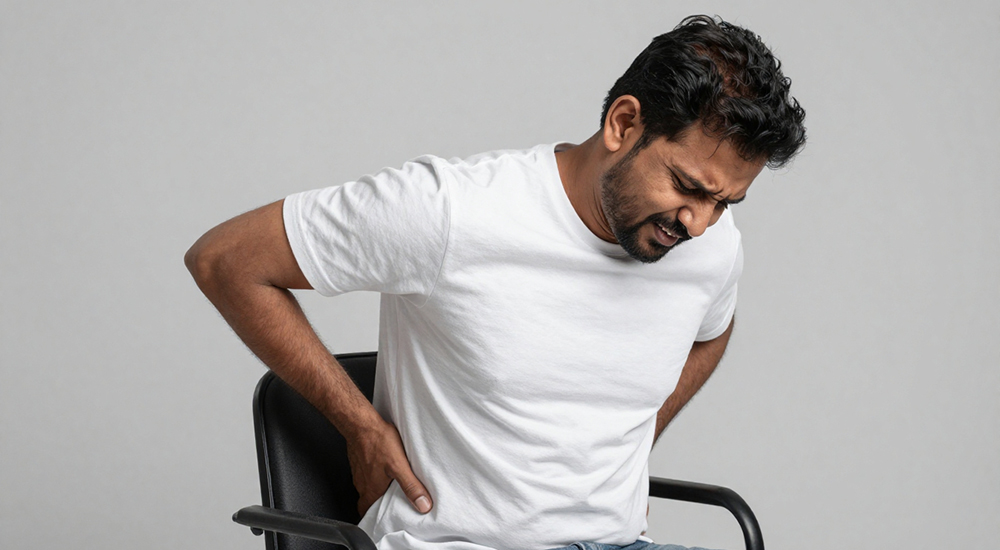
The onset of back pain is rarely signaled with warning symptoms. Usually, people suffer from them as things begin with no fanfare. A sore spot on the back after being active for the whole day. Stiffness on the back after being seated for the whole day. A burning sensation on the back when bending to pick up something with an awkward shape. At first, these are no big deal as one can live with these annoyances. However, as time passes, this disturbance will begin to influence one’s day, starting from painful sitting, painful standing, up to painful radiating pain on the arms or legs.
One other possible reason that you may have experienced tension could be that you could have possessed a slipped disk.
This is quite serious-talk terminology, and phrases like these hit the panic button just hearing about them. The thing is, though, is that a slipped disc is not something that will kill you; in fact, surgery is rarely ever considered.
What Is a Slipped Disc?
Your spine is composed of tiny bones stacked on top of one another. In between these bones are soft tissues that serve as cushions. These tissues help to absorb the shock that occurs in the spine whenever you bend or stretch.
Every disc contains a tough outer rim with a softer interior. A slipped disc is what results from the outer rim becoming weakened to the point where the softer part bulges out. Another name for this is either a herniated disc or bulging disc because of this characteristic. The painful part is when this presses against a nerve in the surrounding area.
Common Causes
A slipped disc rarely occurs in one day. In most cases, it may take time to develop as a result of daily strain experienced by the spine. Prolonged periods spent sitting down, bending, or even lifting weights may cause strain on the discs.
Weaker muscles in the back and abdomen are another reason. With increasing age, the discs will naturally lose some elasticity. They will become prone to injury. At times, it may be sufficient to make a slight movement like turning the body or bending the body to get the pain of strained disks.
Symptoms You Should Not Ignore
Symptoms can differ from person to person, depending on where the disc is and which nerve is affected. Some people feel pain mainly in the back or neck. Others feel it travels along a nerve path.
Common presentation includes:
Nerve-related pain often feels sharp, burning, or shooting, which makes it different from normal muscle pain.
Slipped Disc Treatment That Usually Works
Fortunately, most of these slip disc problems can actually be solved through nonsurgical or conservative methods.
Early care involves the following steps to eliminate the pain and irritability that comes with it: Pain medication will correct the exasperating nerve. Painful exercises are avoided, but not bed rest. It is always essential to move around.
The two main principles of treatment are physiotherapies and exercise. The exercise enables the muscles around the spine to become strong. This relieves some pressure from the disc.
Correct posture is also much more important than people think it is. Changes involving how you sit, stand, and sleep will reduce pressure on the spine.
These can include targeted injections when there is ongoing pain. These are generally considered when other options for herniated disc treatment are not available.
When Is Surgery Actually Needed?
Surgery is not very common and will only be done as a last resort. The reasons why surgery would be done include if the pain persists with good management, or if the symptoms of numbness or weakness keep worsening.
In emergency surgery, it is often for nerve compression problems involving bladder or bowel control. In finding a good doctor for a slipped disc problem, it is essential to have a doctor who can articulate all possible solutions and is not in a hurry.
Life After a Slipped Disc
A slipped disk is much more than managing with pain one's whole life. With proper management, many people notice that their disk issues return to normal life. With correct posture, exercise, and timely management, this measure can prove to be quite helpful. Chances are that many times, back pain is just the signal that the body is conveying - change is the need.
FAQs
A slipped disc occurs when the soft inner part of the disc bulges through a weakened outer layer and presses on nearby nerves. This leads to sharp, radiating pain, which is different from regular muscle pain. It usually develops gradually due to wear and tear rather than a sudden injury.
Slipped disc pain worsens with bending or sitting because these positions increase pressure on the affected disc and irritated nerve. This can cause shooting pain that travels to the legs or arms. Avoiding prolonged sitting or bending helps reduce strain during recovery.
Spine physiotherapy helps by strengthening the muscles around the spine, which reduces pressure on the herniated disc. Targeted exercises improve mobility and support healing without prolonged rest. It also includes posture correction to prevent recurrence.
Surgery may be required if slipped disc pain continues despite non-surgical treatments or if symptoms like numbness, weakness, or bladder issues worsen. In Hyderabad centers like Spinova hospitals, surgery is usually considered only after physiotherapy and other treatments do not provide relief.
Habits such as core strengthening, proper lifting techniques, and maintaining good posture help prevent recurrence of slipped disc pain. Regular movement and avoiding long periods of sitting also reduce pressure on the discs. Early care and consistency support long-term relief.