
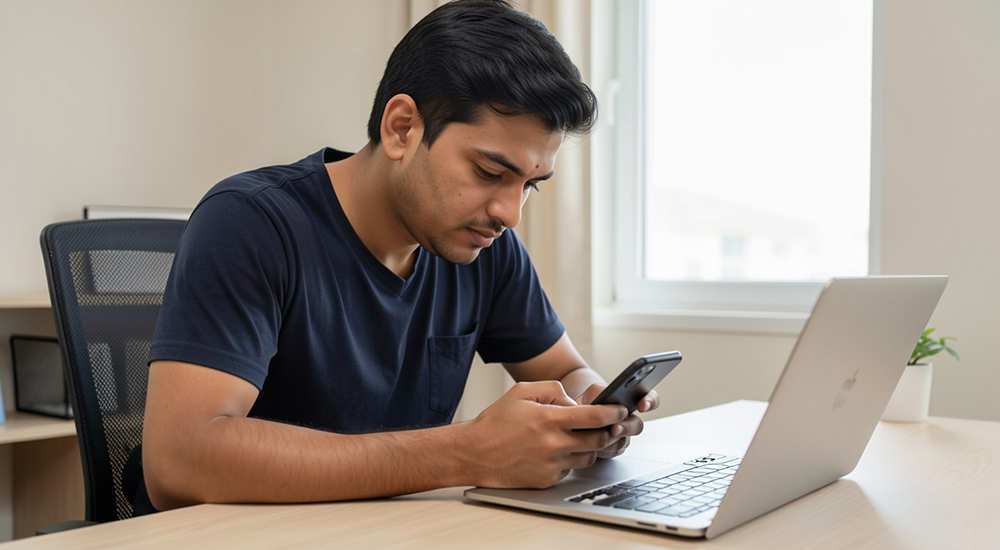
Neck pain is something many of us have begun to recognize even as kids. It was once associated with injury, physical work, or simply growing older. These days, however, it's a lot more related to our lifestyle, which involves being as much on our phones and computers as we are. Spending the majority of our day looking down at our phone and computer screens does something to our necks that we wouldn't even begin to understand until we develop a sore neck.
The cervix has one amazing feature: it holds your head, enables you to turn your head in all directions, and safeguards your spine and the spinal cord there. However, when your neck is bent downward for long hours, your muscles, nerves, and bones work overtime. This causes stiffness and discomfort along with nerve irritation that can travel all the way down to your arms and hands. Many people ignore the discomfort, but it escalates over a period of time.
How Device Usage Affects Your Neck
Prolonged peering down at a phone or computer screen taxes the neck region much more than most people give it credit for. Even a small forward tilt of the head can double or triple the amount of weight placed on the cervical spine compared to its normal load. The muscles in the bottom of your neck and back are working to keep your head erect. It affects posture and can cause stiffness in the back.
This particular sort of strain does not originate or come from the cervix area. At times, this type of strain extends along the spine, leading to stiffness in the upper back. There are even times when this particular sort of strain is one of the factors attributed to the lower back pain. There are situations where the ache felt due to sciatica comes from the cumulative stress, which manifests within the lower back region even if it began within the cervix region.
Common Symptoms to Look Out for
You may see:
When noticed, it means the body is warning the cervix is being stressed. Disregarding them can cause even worse effects down the line.
Preventing Neck Strain
One cannot get totally disconnected, but even the slightest modifications are of great importance.
Position Screens at Eye Level
Move Often
Strengthen Muscles
Check your posture
Ergonomics Make a Difference
When to See a Doctor
If your neck pain isn't improving, it's time to talk to a specialist. See a spine doctor if you notice:
As long as you take care of these issues right when they begin, they won't worsen and possibly become serious situations such as sciatica or chronic back pain. Your chances would be better if you sought treatment as soon as the issues arose.
Treatment Options
Generally, care simply entails following certain easy procedures. Pain relievers, massage, and teaching people on how to stand up straight form the basis for starting care procedures. Targeted stretching and strengthening exercises can now play a key role in easing discomfort and promoting optimal spinal alignment. Lifestyle changes associated with things such as proper posture, active living, and optimizing work space help significantly in maintaining the pain.
If there’s been a nerve impingement or pain, the doctor may recommend further treatment such as minimal invasive techniques or injections. Most people get better by changing their posture and doing a little bit of walking. Surgery is typically only done as a last option, unless treatment starts swiftly and behaviors are changed.
Final Thoughts
Neck pain and computer screens are a common phenomenon these days, and computer screens are a major factor in this. No matter what your age group is, you all are in the danger zone now. Even little changes and early interventions can give a massive impact here. The preservation and protection of your neck and cervical spines will shield you from dealing with nerve conditions, sciatica, and lumbar pains in the coming years. The combination of neck pain and computer displays is a very common predicament these days, and whether you are young or old, you all fall in the danger zone today.
FAQs
Looking down at phones tilts the head forward, which increases the load on the cervical spine up to several times its normal weight. This overworks the neck muscles and leads to stiffness that can spread to the shoulders or arms. Even small, repeated tilts throughout the day can add significant strain.
Arm tingling from prolonged laptop use often indicates nerve irritation caused by forward head posture compressing cervical nerves. It may also be associated with numbness or weakness in the hands. If the pain radiates, it should be evaluated further.
Screens should be positioned at eye level so the head remains in a neutral position, avoiding downward tilt that strains the neck. Using stands for laptops or phones and taking breaks every 30–40 minutes helps reduce stress on the spine.
Device-related neck pain needs specialist attention if stiffness persists, or if symptoms like arm numbness or headaches worsen despite rest and posture correction. In Hyderabad centers like Spinova hospitals, early physiotherapy helps prevent nerve-related complications.
Stretches such as chin tucks and shoulder rolls help relieve upper back tightness caused by prolonged phone use. These exercises relax overworked muscles and improve posture. Regular practice along with strengthening exercises provides lasting relief.